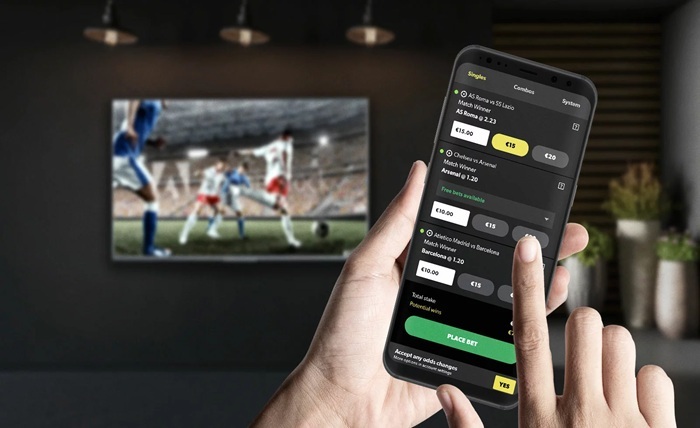
A painful lost ticket on a Serie A 2024/25 match—especially one decided by a late goal or refereeing controversy—can push even disciplined bettors toward emotional, impulsive decisions. The critical skill is learning how to recognise that rush, pause it, and prevent one bad result from turning into a chain of loss-chasing bets that damage both bankroll and enjoyment of the league.
Why Losing A Ticket Feels Worse Than It “Should”
A single lost bet hurts more than a single win feels good because the human brain is wired to experience losses more intensely than equivalent gains. This loss aversion means that a normal Serie A defeat can feel like an injustice that must be “fixed”, which in turn drives the urge to immediately place another, often larger, bet to erase the emotional discomfort, even when that next wager has not been thought through properly.
How Loss-Chasing Works In Football Betting
Loss-chasing occurs when bettors respond to a losing streak by increasing stakes or frequency in an attempt to recover quickly rather than returning to their original plan. Research on gambling behaviour shows that this pattern is a core feature of problematic play: instead of closing the gap between expectation and results, each new impulsive bet usually widens it, creating a spiral where financial exposure and emotional stress both rise together.
Mechanism: From One Lost Serie A Ticket To A Tilt Spiral
The shift from a single loss to “tilt” often follows a recognisable sequence. A hard defeat leads to anger or frustration, which then triggers hasty, poorly researched bets—on the next Serie A game, another league, or even non-sports products—accompanied by rationalisations like “I can’t keep losing forever”, and once bankroll damage becomes visible, the bettor may double stakes again in desperation, reinforcing the cycle until they step away or hit a personal or platform limit.
Table: Early Warning Signs You Are About To Chase Losses
Identifying warning signs early is one of the most effective ways to prevent emotional reactions from turning into structural damage.
| Warning sign after a loss | Underlying psychological driver | Likely impact if ignored |
| Urge to immediately place another bet without analysis | Impulsivity and desire to escape negative feelings. | Rapid shift from planned stakes to random, higher-risk wagers. |
| Thinking a win is “due” because of recent losses | Gambler’s fallacy and loss aversion. | Overestimation of next bet’s chances, leading to oversized stake. |
| Blaming referees, players or “rigged” markets for every loss | Confirmation bias and externalisation. | Reduced learning from results, more emotional rather than rational bets. |
| Ignoring pre-set bankroll or stake rules | Erosion of self-control. | Losses escalate faster, recovery via normal play becomes harder. |
These signs show that chasing losses is rarely a conscious strategy; it is usually an emotional reaction that overrides prior rules. By treating each of these signals as a stop sign rather than as background noise, a bettor can disrupt the cycle before it converts a single losing Serie A round into a much larger problem.
Building Pre-Defined “Cool-Down” Rules For Serie A Weekends
Because emotions are strongest in the moments after a loss, effective control relies on rules created in advance, not improvised in the heat of the moment. Responsible-gambling guides recommend setting hard loss limits per day or weekend, combined with automatic break conditions—such as pausing after a certain number of consecutive defeats—so that decisions about whether to continue are dictated by a plan rather than by how angry or unlucky you feel about a particular match.
Conditional Scenarios: When To Stop Betting For The Day
Different emotional and bankroll states call for different responses, and having these mapped out beforehand reduces ambiguity. For example, exceeding a pre-set loss limit, noticing you are shouting at the screen or obsessively rechecking odds, or catching yourself typing in larger stakes “to win it back” can all serve as triggers for a 24‑hour break from betting, during which you avoid logins, review your record, and return only when you can think about Serie A fixtures calmly again.
Using A Sports Betting Website Without Letting It Amplify Tilt
The design of modern online environments can make it easier to react emotionally, because markets are always available and stakes can be adjusted with a few taps. When a bettor uses a sports betting website such as ufa168 คาสิโนออนไลน์, emotional control means treating the interface as a tool rather than as a source of comfort: logging in only when sober and in a stable mood, pre‑setting deposit and stake limits if possible, and refusing to browse markets during moments of anger or disappointment, so that the site becomes a place for planned decisions instead of a reflexive response to losing.
Practical Emotional Techniques Right After A Lost Ticket
In the minutes following a painful loss, simple emotional-regulation techniques can make the difference between a controlled response and a tilt episode. Responsible-betting resources suggest stepping away from screens, taking a short walk, practising slow breathing or mindfulness, and deliberately reframing the loss as one data point in a long-term process, which helps move thinking back toward probability and bankroll context instead of dwelling on the single result.
Longer-Term Habits That Reduce The Urge To Chase
Emotional resilience around betting is not built only in crisis moments; it also depends on everyday habits and how central gambling becomes in your life. Experts on responsible gambling recommend maintaining other hobbies, social connections and physical activity, because these create alternative sources of reward and identity, making it less likely that a bad run in Serie A 2024/25 feels like a personal crisis that must be immediately “fixed” at any cost.
How casino online Environments Increase The Need For Boundaries
When football betting is embedded inside broader digital ecosystems, the step from a lost sports bet to other forms of gambling becomes very small. In a combined casino online context, strong emotional boundaries are essential: using separate budgets for sports and non-sports products, avoiding slot or table games as a way to “calm down” after a lost Serie A ticket, and logging off entirely when emotions are running high, so that the platform’s variety does not turn one bad bet into a multi‑product chase.
Summary
Losing a Serie A 2024/25 bet naturally triggers frustration, but the real danger begins when those emotions drive loss-chasing and tilt rather than reflection. By learning the psychological mechanisms behind chasing, setting explicit cool‑down and loss‑limit rules, using betting websites and casino-style environments within strict boundaries, and developing emotional habits that keep gambling in proportion to the rest of life, bettors can protect both their bankrolls and their long-term relationship with the game.