Sushi is often misunderstood as simply raw fish served over rice, but its history, craftsmanship, and cultural depth go far beyond that narrow definition. Originating in Southeast Asia as a method of preserving fish through fermentation, sushi gradually evolved in Japan into the refined culinary art we recognize today. What was once a preservation technique is now a globally celebrated cuisine that blends tradition, precision, and creativity.
The Craft Behind Every Bite
One of the most fascinating aspects of sushi is the attention to detail involved in its preparation. From the seasoning of the rice to the knife skills used to slice fish, every step matters. Sushi chefs spend years mastering their craft, learning how to balance flavors, textures, and presentation.
The rice, often overlooked, is actually the foundation of sushi. It must be cooked to the perfect consistency and seasoned with a delicate balance of vinegar, sugar, and salt. The fish, whether tuna, salmon, or eel, must be fresh and handled with care to preserve its natural taste.
This dedication to craftsmanship is what separates a casual meal from a true sushi experience. Restaurants like Seafeast Sushi reflect this tradition by focusing on freshness, quality ingredients, and thoughtful preparation.
Beyond Sushi Rolls: A Diverse Culinary World
While sushi rolls are popular, especially in Western countries, Japanese cuisine offers much more. Dishes like ramen, poke bowls, and sashimi each bring their own unique characteristics.
- Ramen is a comforting noodle soup with rich broth, often simmered for hours.
- Poke offers a fresh, modern twist with marinated fish and vibrant toppings.
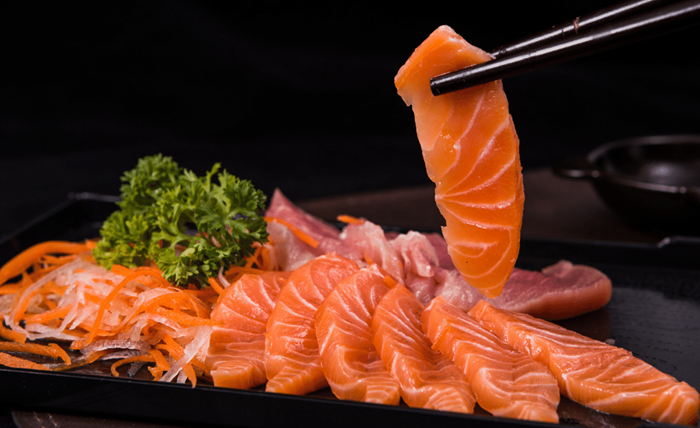
- Sashimi highlights the purity of seafood without rice, focusing entirely on flavor and texture.
Exploring a well-curated Menu can reveal just how diverse and adaptable this cuisine is, catering to both traditional tastes and contemporary preferences.
The Rise of Healthy Dining Choices
Another reason sushi has gained global popularity is its alignment with modern dietary preferences. Many sushi dishes are naturally low in fat and high in protein, making them an appealing option for health-conscious diners.
Ingredients like seaweed, fish rich in omega-3 fatty acids, and fresh vegetables contribute to a balanced meal. Additionally, the availability of gluten-free and customizable options has made sushi more accessible to a wider audience.
However, it’s worth noting that not all sushi is inherently healthy—sauces, fried elements, and large portions can add extra calories. Understanding what goes into each dish helps diners make more informed choices.
A Social and Cultural Experience
Sushi is not just about food—it’s also about experience. In Japan, dining is often seen as a moment of connection, whether with friends, family, or the chef preparing the meal. Sitting at a sushi counter and watching the chef work can be just as enjoyable as eating the food itself.
In many places around the world, sushi restaurants have adapted this cultural element, creating spaces that are welcoming, relaxed, and social. Whether it’s a quick lunch, a late-night meal, or a group gathering, sushi offers versatility in how it’s enjoyed.
Why Sushi Continues to Evolve
One of the most interesting aspects of sushi is how it continues to evolve while staying rooted in tradition. Fusion rolls, plant-based alternatives, and creative flavor combinations show how adaptable the cuisine is.
At the same time, the core principles—freshness, balance, and simplicity—remain unchanged. This balance between innovation and tradition is what keeps sushi relevant and exciting across different cultures and generations.