The way people use money is evolving. While digital banking has already simplified payments and transfers, the next step is making all types of funds—whether euros or crypto—equally accessible for daily use. This is where modern fintech apps are redefining the role of payment cards.
From simple payments to full financial access
Payment cards were once limited to spending money from a single bank account. Today, they are part of a much broader financial system that includes:
- IBAN accounts for receiving income
- SEPA transfers for sending money across Europe
- Multi-wallets for organizing funds
- Crypto wallets for digital assets
This integration turns a simple card into a powerful financial tool connected to multiple services.
Making crypto part of everyday life
One of the biggest challenges with crypto has always been usability. Holding digital assets is easy, but using them for daily expenses has been less straightforward.
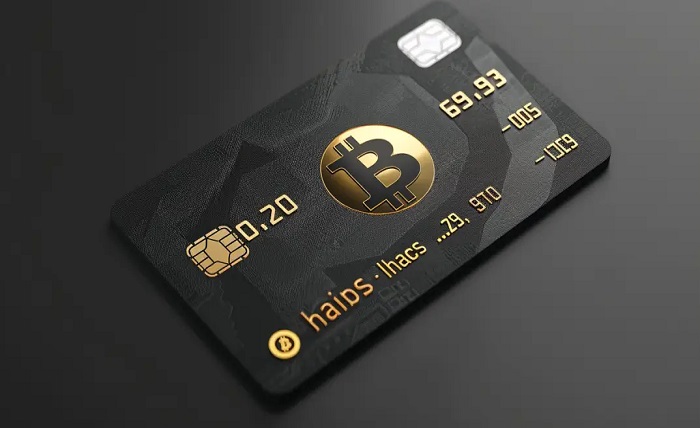
A crypto debit card helps solve this by linking digital assets to real-world payments. Users can manage their funds within the app and access them when needed, without relying on separate platforms.
This makes crypto more practical and easier to incorporate into everyday financial routines.
Flexible card options for different needs
Modern fintech platforms offer a variety of card types to suit different users. These can include:
- Plastic cards for in-store purchases
- Virtual cards for online payments
- Additional cards for family members
- Custom features for personalization
This flexibility allows users to choose how they want to interact with their money.
Clear costs and easy access
Another key advantage is transparency. Fintech apps focus on simple and predictable pricing, often including:
- Free card issuance
- No hidden maintenance fees
- Clear limits for withdrawals and usage
- Straightforward replacement and delivery options
This makes financial tools more accessible and easier to understand.
Multi-wallet control behind every transaction
Cards are even more effective when connected to a multi-wallet system. Instead of spending from a single balance, users can allocate funds across different wallets and control how their money is used.
For example:
- A wallet for daily spending
- A wallet for savings
- A wallet for crypto assets
This structure improves financial discipline and provides better visibility over spending.
Rewards built into everyday spending
Modern cards also integrate reward systems directly into transactions. Cashback and bonuses are applied automatically, turning everyday purchases into small benefits without extra effort.
This adds value to routine spending and encourages smarter financial habits.
A connected future for payments
The evolution of payment cards reflects a broader shift in fintech—toward integration and simplicity. By combining mobile banking, IBAN accounts, SEPA transfers, cards, and crypto wallets, modern platforms create a more seamless financial experience.
This unified approach makes it easier for users to manage, spend, and control their money in a way that fits today’s digital lifestyle.