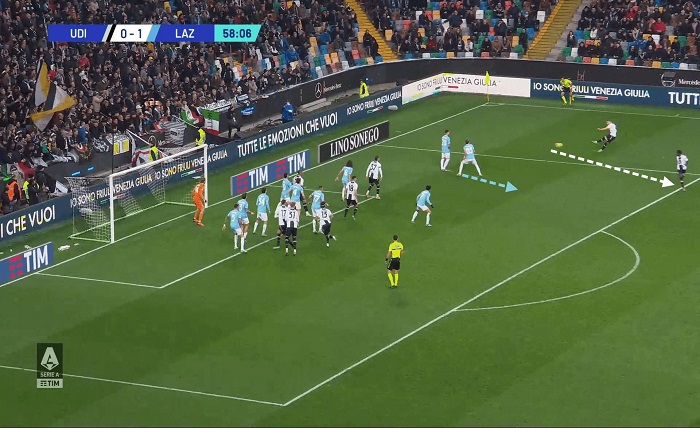
Some Serie A teams in 2016/17 turned corners and free kicks into a recurring problem rather than an opportunity, leaking goals from dead balls because of structure, personnel and concentration. While the league as a whole produced 1,123 goals over 380 matches, the distribution of set‑piece concessions was uneven, creating a small group of sides whose vulnerability offered specific angles for bettors looking to oppose them in both main and special markets.
Why Focusing On Set-Piece Concessions Is A Reasonable Strategy
Targeting teams that concede frequently from set pieces is logical because dead-ball phases are repeatable patterns, not pure randomness. Across leagues, analysis consistently finds that a stable share of goals comes from corners and free kicks, and teams with poor organisation in these situations often underperform their general defensive metrics. In Serie A 2016/17, where margins were tight and many games were decided by one or two goals, a structural weakness on set-piece defence could tilt otherwise balanced matches, making “betting against” those sides more attractive in specific contexts than simply fading weaker teams at random.
Identifying Likely Set-Piece Vulnerable Teams In 2016/17
Publicly available data for 2016/17 makes it easier to approximate which teams struggled most with set pieces, even when direct “goals conceded from dead balls” tables are limited. Rankings of set-piece goals scored show mid- and lower-table clubs feature strongly on the attacking side, while team-statistics overviews reveal who conceded heavily overall and sat near the bottom of the standings. Empoli, Palermo and Pescara, for instance, all finished with negative goal differences and relegation, while mid-table sides like Cagliari also show up as frequent actors in set-piece goal tables, hinting at open, less controlled defensive structures.
Cross-referencing heavy overall concessions, low points totals and high involvement in set-piece scoring (for and against) offers a practical list of candidates whose defensive setups were not robust, particularly in aerial and dead-ball situations. These are exactly the profiles where opposing bets linked to headed goals, set-piece scorers or “team to concede from a set piece” props can be tested when odds permit.
Mechanism: How Defensive Weakness Turns Into Set-Piece Concessions
Teams that concede a lot from set pieces usually combine several flaws: poor individual marking, mismatched physical profiles, disorganisation on second balls and inconsistent goalkeeping decisions. Tactical overviews and basic stats from 2016/17 show bottom clubs and some leaky mid-table sides faced sustained pressure in their defensive thirds, naturally generating more corners and dangerous free kicks to defend. With limited height or discipline, these sides often struggled to maintain lines and assignments once the first delivery came in, turning routine situations into high-risk events.
At the tactical level, a team that defends deep and clears desperately instead of controlling possession will face more waves of pressure, and thus more dead balls around its box. Over a 38‑match season, these extra opportunities compound; even if set-piece efficiency is average per event, sheer volume of defending increases the total number of goals conceded from these phases, which is exactly what bettors want to capture when they decide to “bet against” that team in set‑piece‑sensitive markets.
Comparing General Defensive Weakness To Specific Set-Piece Fragility
It is important to distinguish between teams that concede many goals because they are generally poor and those whose numbers are specifically inflated by dead-ball issues. A side that leaks chances in open play but holds its own on corners does not offer the same targeted edge in specials as one whose defensive record is disproportionately damaged by set pieces. For 2016/17 Serie A, that means prioritising opponents whose goal concessions cluster around headed goals, scrappy rebounds and free-kick situations rather than treating all high GA totals as equivalent from a set-piece viewpoint.
Practical Signs A Team Is Ripe To Oppose On Set Pieces
Because detailed “goals conceded from set pieces” metrics are not always front-and-centre, bettors can build a checklist using accessible 2016/17 data and match reports. Historical databases list goals, scorers and often describe how goals were scored, while stats sites track corners conceded, fouls near the box and aerial duels. Together, these indicators help pinpoint teams that repeatedly suffer from the same patterns: conceding after corners, losing first contacts, or failing to clear second balls.
In everyday terms, a team becomes a good candidate to oppose on set pieces when:
- Its match histories show a notable share of goals conceded from headers or rebound scrambles following corners and wide free kicks over the season.
- It consistently gives up high corner counts and defensive third possessions, especially against physically strong or well‑drilled opponents.
- It relies on undersized centre-backs or zonal schemes that appear to break down under pressure, as reflected in repeated comments in match reports and tactical reviews.
Once these patterns are confirmed across multiple matches, opposing bets—either backing the opponent’s attacking defenders, taking “goal from a set piece” specials, or leaning toward both teams scoring when coupled with open-play vulnerability—become more than just speculative hunches.
Integrating Set-Piece Weakness Into Pre-Match Betting Decisions
From a pre‑match analysis perspective, knowing that a team is fragile on set pieces changes how you read odds on results and special markets. When a set-piece‑strong opponent visits or hosts a set-piece‑weak defence, the probability of a dead-ball goal rises, even if open-play strengths are closer to even. That can justify small adjustments in your view of main lines—slightly better chances for the favourite to break through—or more directly in specials tied to the method and scorer of the first goal.
At the same time, bettors need to ensure they are not double-counting this edge. If the market has already heavily adjusted for the mismatch—reflected in shorter odds on centre-back scorers or inflated “goal from header” prices—the advantage may be fully priced in. The smarter move is often to treat set-piece weakness as a tiebreaker among otherwise similar fixtures, taking positions when odds lag behind the tactical reality, rather than forcing a bet in every match where a vulnerable defence appears.
Expressing “Betting Against” Through A Modern Betting Interface
Opposing teams with set-piece vulnerabilities is easier when your betting environment offers a wide selection of Serie A goal-method and scorer markets. Working through a structured betting interface that lists specials for corners, headers and defender goals allows you to translate a specific tactical read into a tailored position, rather than being forced into generic 1X2 or over/under bets. In that light, assessing พนันบอล for 2016/17-type strategies means asking whether its Italian football section supports this granularity—can you back particular players known for aerial prowess, or take a “goal from a set piece” option when a weak defender side is involved—or whether you are constrained to markets where set-piece weakness is only one of many factors.
Where The “Fade Set-Piece Weakness” Angle Can Break Down
Even robust patterns can falter when circumstances change. Coaching adjustments, new defenders, or tactical tweaks—such as switching from zonal to man‑marking on corners—can significantly reduce a team’s vulnerability within a season, meaning early 2016/17 data might overstate risk later in the campaign. Injuries to key aerial threats on the attacking side can also lower the practical impact of an opponent’s weakness; a team may remain poor in theory but face fewer high-quality deliveries and runs in a particular match.
On top of this, variance plays a large role: even very weak set-piece defences will occasionally survive a match without conceding from dead balls, while solid ones can be punished by a single perfect delivery. That is why staking must remain modest and embedded in a broader bankroll plan, treating set-piece fading as one component of an overall strategy rather than a standalone system to be hammered every time you recognise a vulnerable back line.
Summary
In Serie A 2016/17, some teams combined overall defensive fragility with specific problems on corners and free kicks, turning set-piece phases into a predictable source of goals conceded. By mining historical data for patterns in headed goals, corner counts and goal sources, bettors could identify these sides and selectively oppose them—whether through method-of-goal specials, defender scorer bets for their opponents, or small shifts in expectations on main lines when strong set-piece attackers were involved. Used carefully, and updated for tactical changes and market pricing, that perspective offered a sharper way to “bet against” than simply fading bad teams, anchoring decisions in how their weaknesses actually produced goals rather than in league-table reputations alone.