
Betting on sports has now become an integral component of fan experiences in games. It is not about guessing the results anymore but about analysis, data, and timing. Every day, odds talk takes place on podcasts, Twitch streams, and social media threads. Betting has changed the way people discuss and interpret sports. Knowing why this happened helps explain modern fandom itself.
The Shift from Stigma to Trend
In recent years, the betting fraternity has not had a good image – it was viewed as being sketchy and unrelated to the sporting arena. That was altered when regulations, transparency, and technology made betting online available and legal in most markets. After sportsbooks began to deal with major leagues, fans no longer considered it a form of gambling but rather as a constituent of the sport.
The social media assisted in closing the deal. Different influencers, analysts, and even athletes started talking about their bets or odds on the internet. It ceased to be secret and became social. Nowadays, it is a commonplace activity to check odds prior to a game or talk about betting strategies just as fans talk about tactics or statistics.
Influence of Technology and Accessibility
Technology did not simply facilitate betting; it also made it smart. The contemporary platforms are integrated to bring together live data, analytics, and real-time markets in a way that allows fans to make real-time and informed moves.
Key technological changes that influenced this trend are:
- Mobile applications: Quick and easy applications allow fans to bet on the match in real-time.
- Information access: All statistics and trends can be seen, and smarter bets can be made.
- Instant payments: Instant deposits and withdrawals generated user trust.
All this transformed betting into tedious paperwork into an easy process of enjoying sports. It has become an interactive and information-based experience rather than a dice throw.
Entertainment Meets Economy
Betting is no longer just entertainment; it is a whole industry that is connected to sports. Using platforms like the Melbet app, fans can engage directly with odds, live data, and in-game markets. It is founded on billions of dollars of revenue from sponsorships, partnerships, and influencer marketing. Meanwhile, it provides new means for fans to contribute to their favorite teams and competitions financially.
Celebrity and Media Involvement
Athletes, artists, and innovators put a familiar face on betting. The announcement of predictions by people in authority or in cooperation with sportsbooks is something that legitimizes the practice and brings in new customers. Betting begins to feel that it is a community, rather than an exclusive one.
The content on the media has also changed. Betting analysis is incorporated into sports shows and YouTube channels to cover the matches. The change transforms betting into an educational experience- people also take odds in the same way they research form, injuries, or weather before a game.
Esports and New Generations
The new consumers were young fans who got into betting on esports, rather than sports. These gamers have been exposed to gaming statistics, performance monitoring, and Twitch streams; thus, betting became an extension of their habits. They appreciate decisions made based on skills rather than by chance.
Esports betting sites reward decision-making and real-time responses. Micro-bets can be made by fans during a match (such as the first blood or total kills). This makes watching more of a participatory exercise, and that is at the same level of digital entertainment they are accustomed to.
The Psychological Appeal
Betting is a way of using curiosity and competition. The fans are interested in checking their predictions and showing that they know the game better than others. It is not only about money but validation, accuracy, and engagement.
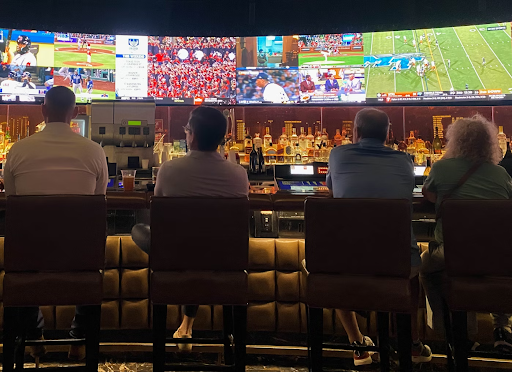
Betting, when carried out in a responsible manner, forms part of learning in sports. Gamblers read match reports, track stats, and analyze the form of players. The addition of an additional level of analysis makes them more attached to the sport and punishes preparation, and not mere chance.
The Future of Betting in Culture
Betting on sports is becoming a regular digital activity. Look forward to reduced integration with streaming, customized odds, and live betting within broadcasts. The following wave will be a hybrid of gaming, social networks, and live statistics. To millions of fans, making a bet will be as regular as watching their favorite team.